AI vs Human Creativity: What the Future of Digital Marketing Really Looks Like?
Digital marketing is evolving faster than ever before. Artificial Intelligence (AI) is no longer just a futuristic concept—it has become an everyday tool that businesses use to create content, automate campaigns, analyze customer behavior, and improve marketing performance. From AI-generated blog posts to automated ad campaigns and personalized email marketing, brands are increasingly relying on machines to do what humans once handled entirely on their own.
But as AI becomes more powerful, one big question continues to dominate the marketing industry:
Table of Contents
ToggleTable of Contents
Will AI replace human creativity in digital marketing?
The answer is more complex than a simple yes or no. AI is transforming how marketing works, but human creativity still plays a critical role in building emotional connections, storytelling, brand identity, and strategic thinking. The future of digital marketing is not about AI versus humans—it’s about how both can work together.
In this blog, we’ll explore the real relationship between AI and human creativity, how marketing is changing, and what the future truly looks like for brands, marketers, creators, and consumers.
The Rise of AI in Digital Marketing
Over the last few years, AI has become deeply integrated into digital marketing strategies. Businesses now use AI-powered tools for:
- Content generation
- Social media scheduling
- SEO optimization
- Chatbots and customer support
- Predictive analytics
- Ad targeting
- Email personalization
AI can process huge amounts of data within seconds and identify patterns that humans may miss. This allows marketers to make faster decisions and improve campaign performance with greater accuracy.
For example, AI tools can analyze customer behavior and recommend the best time to post content, the most effective ad copy, or the products users are most likely to buy. This level of automation saves time, reduces costs, and improves efficiency.
However, efficiency alone does not create memorable marketing.
What AI Does Better Than Humans
AI has several advantages that make it extremely valuable in modern marketing.
Speed and Automation
AI can create content, generate reports, and optimize campaigns much faster than humans. Tasks that once took hours can now be completed in minutes.
For instance:
- AI can generate multiple ad variations instantly
- Email campaigns can be personalized automatically
- SEO recommendations can be created in real-time
- Customer service can run 24/7 through AI chatbots
This helps businesses scale their marketing efforts more efficiently.
Data Analysis
AI excels at analyzing massive datasets. It can identify customer trends, buying patterns, and engagement behavior with incredible precision.
This allows marketers to:
- Understand audiences better
- Improve targeting
- Increase conversion rates
- Predict future trends
Human marketers simply cannot process millions of data points as quickly as AI systems can.
Personalization at Scale
Consumers today expect personalized experiences. AI makes this possible by tailoring recommendations, emails, ads, and content to individual users.
Streaming platforms recommend shows based on viewing habits. E-commerce websites suggest products based on browsing history. Social media platforms customize feeds according to user interests.
AI helps brands deliver highly personalized marketing experiences at a scale humans alone could never manage.
Continuous Optimization
AI systems learn continuously. They analyze campaign performance and automatically make adjustments to improve results.
For example:
- AI can pause underperforming ads
- Adjust bidding strategies
- Optimize targeting automatically
- Test different headlines
This constant optimization improves efficiency and reduces wasted marketing spend.
What Humans Still Do Better
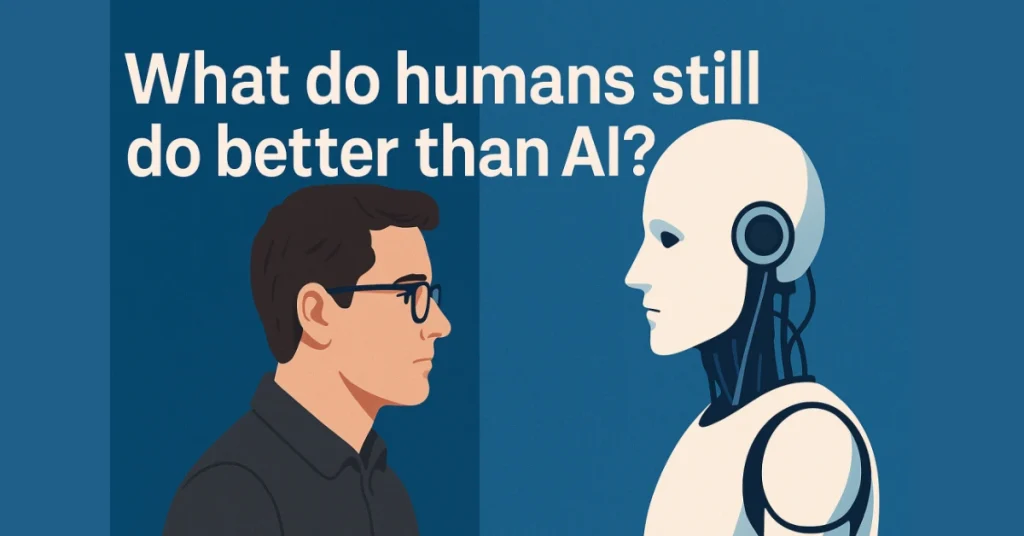
Despite AI’s impressive capabilities, human creativity remains irreplaceable in several critical areas.
Emotional Storytelling
Great marketing is about emotions. People connect with stories, experiences, humor, inspiration, and authenticity.
AI can generate content, but it does not truly understand human emotions, cultural context, or lived experiences. Human marketers know how to create campaigns that make audiences laugh, cry, trust, or feel inspired.
Think about the world’s most memorable marketing campaigns:
- Emotional holiday advertisements
- Powerful social awareness campaigns
- Inspirational brand stories
- Viral creative concepts
These campaigns succeed because they connect emotionally with people—not because they were optimized by algorithms.
Original Creativity
AI generates content based on existing data. It predicts patterns and creates outputs from what already exists.
Humans, however, create entirely new ideas.
Innovation often comes from:
- Imagination
- Curiosity
- Personal experience
- Cultural understanding
- Creative risk-taking
Some of the best marketing ideas break traditional rules. AI usually follows patterns, while humans invent new ones.
Brand Identity and Vision
A strong brand is more than logos and slogans. It represents values, personality, culture, and long-term vision.
Humans define:
- Brand voice
- Messaging tone
- Creative direction
- Purpose-driven campaigns
- Cultural positioning
AI can support brand execution, but humans build the soul of the brand.
Ethical Decision-Making
Marketing involves ethical decisions that require human judgment.
AI systems can unintentionally:
- Spread misinformation
- Reinforce bias
- Generate insensitive content
- Violate privacy expectations
Human oversight is essential to ensure marketing remains ethical, responsible, and aligned with brand values.
The Real Future: Collaboration, Not Competition
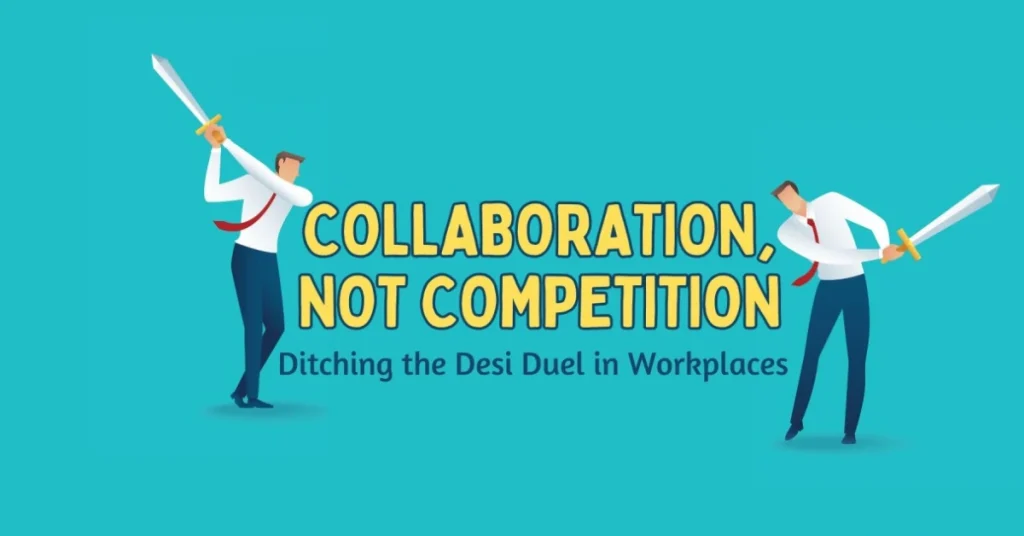
Many people fear that AI will completely replace marketers, writers, designers, and creators. In reality, the future of digital marketing will likely involve collaboration between AI and humans.
AI will handle:
- Repetitive tasks
- Data processing
- Automation
- Performance optimization
- Predictive analysis
Humans will focus on:
- Creativity
- Strategy
- Emotional intelligence
- Innovation
- Brand storytelling
This combination creates a more powerful marketing system.
Instead of replacing creativity, AI enhances it by giving marketers more time to think strategically and creatively.
For example:
- Writers can use AI for research and outlines
- Designers can automate repetitive edits
- Marketers can use AI insights for better strategies
- Content creators can scale production faster
The human role becomes more creative and strategic rather than purely operational.
How AI Is Changing Content Creation
Content marketing is one of the biggest areas affected by AI.
AI tools can now generate:
- Blog posts
- Social media captions
- Product descriptions
- Email copy
- Video scripts
- AI-generated images
This has dramatically increased content production speed.
However, there’s also a growing problem: content saturation.
Because AI makes content creation easier, the internet is becoming flooded with generic, repetitive, low-quality content. As a result, originality and authenticity are becoming more valuable than ever.
Brands that rely entirely on AI-generated content risk sounding robotic and forgettable.
The future belongs to businesses that combine:
- AI efficiency
- Unique perspectives
- Authentic storytelling
- Human creativity
Consumers can increasingly recognize when content feels overly automated. Human insight and authenticity remain key differentiators.
The Impact on SEO and Search Marketing
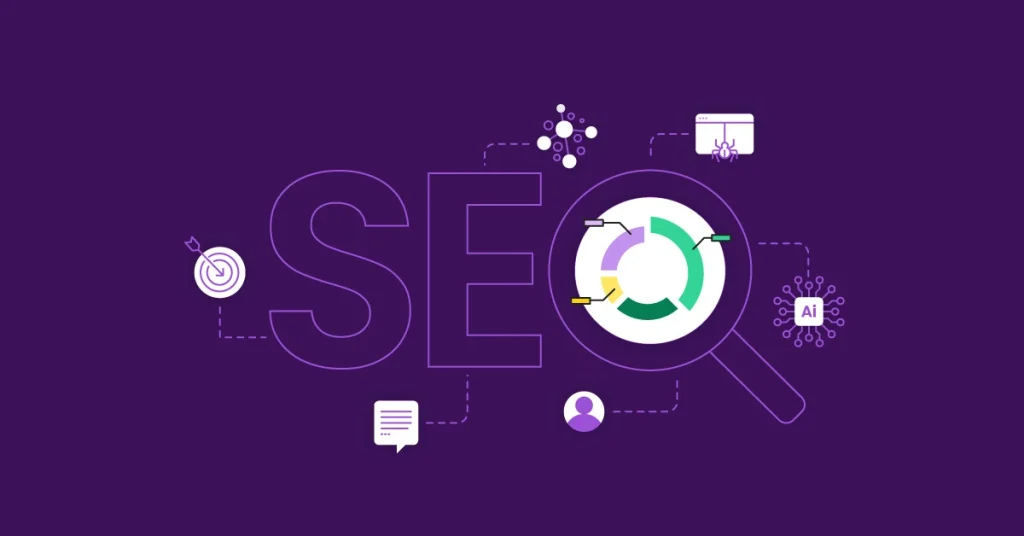
AI is also reshaping SEO and search behavior.
Search engines are becoming smarter with AI-powered algorithms that prioritize:
- Content quality
- User intent
- Experience
- Authority
- Relevance
At the same time, AI-generated search experiences are changing how users discover information.
Traditional keyword-focused SEO is evolving into:
- Conversational search
- AI-generated answers
- Voice search optimization
- Context-driven content
This means marketers must focus more on:
- Expertise
- Helpful content
- Brand trust
- Human-centered experiences
Simply publishing AI-generated articles at scale will not guarantee rankings or audience trust.
The future of SEO belongs to brands that create genuinely valuable and insightful content.
Final Thoughts
The future of digital marketing is not a battle between AI and human creativity. It is a partnership.
AI is incredibly powerful for automation, analytics, optimization, and scalability. It can improve efficiency and help marketers make smarter decisions faster than ever before.
But creativity, emotional storytelling, originality, and human connection remain deeply human strengths.
Technology can generate content, but humans create meaning.
As digital marketing continues evolving, the brands that succeed will be those that combine the efficiency of AI with the emotional intelligence of human creativity.
The future belongs neither to humans alone nor machines alone—it belongs to marketers who know how to use both together.
And in that future, creativity will still matter more than ever.