Content Marketing in 2026: Human Content vs AI Content
Introduction
Content marketing continues to evolve rapidly, and in 2026, businesses face an important question: Should content be created by humans or generated by AI? As artificial intelligence becomes more advanced, brands can now produce articles, social posts, emails, and videos faster than ever. At the same time, audiences still value authenticity, emotional connection, and real human experiences.
The future of content marketing is not about choosing one over the other—it is about understanding how Human Content and AI Content work together to deliver better results.
In this blog, we explore the strengths, challenges, and future of content marketing in 2026.
Table of Contents
ToggleTable of Contents
What Is Content Marketing in 2026?
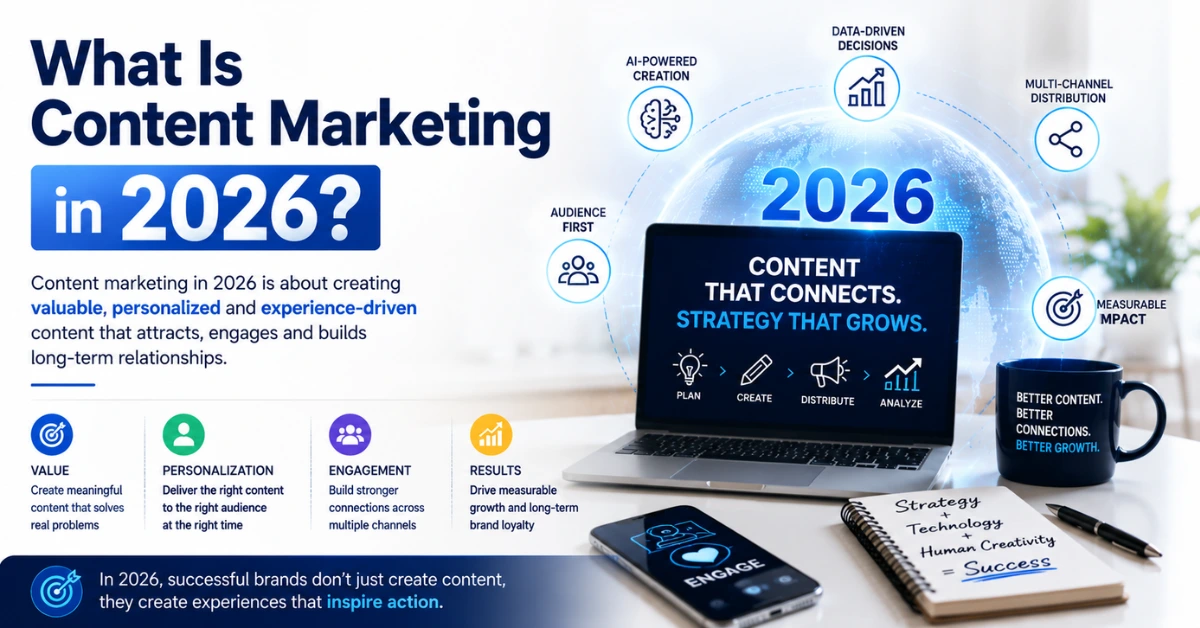
Content marketing in 2026 focuses on creating valuable, personalized, and experience-driven content that attracts and engages audiences. Modern marketing strategies now combine:
- AI-powered content creation
- Human storytelling and creativity
- Personalized customer experiences
- Data-driven decision making
- Multi-channel content distribution
Successful brands no longer publish content just to rank—they create content that builds trust and long-term relationships.
What Is Human Content?
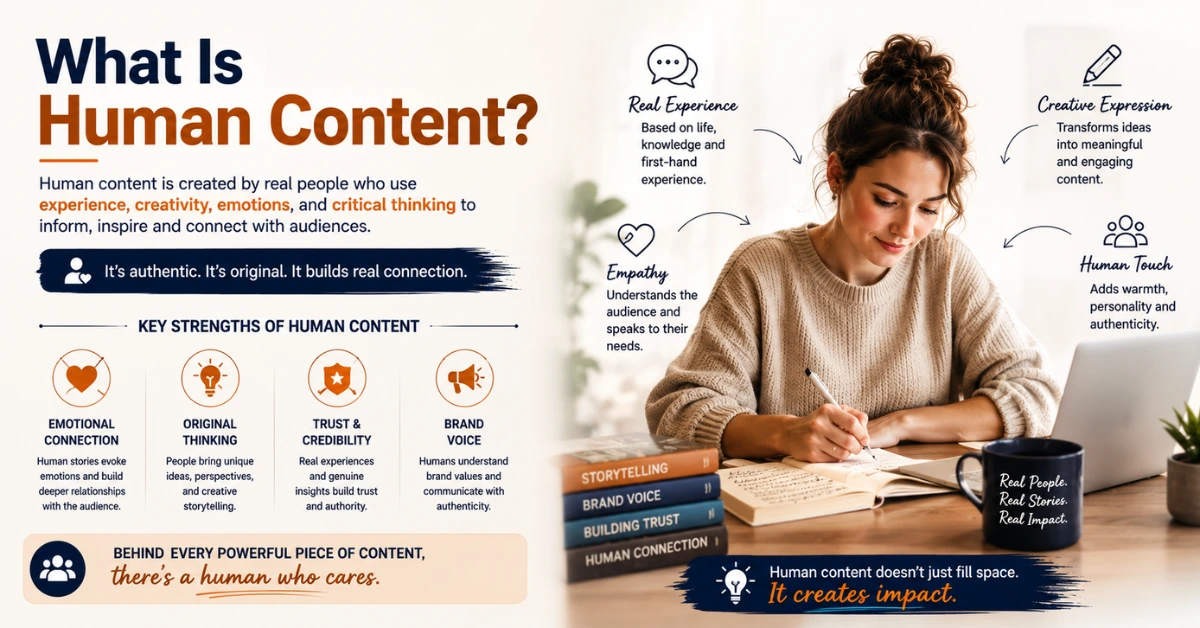
Human content is created by writers, marketers, creators, and industry experts using personal experience, creativity, emotions, and critical thinking.
Strengths of Human Content
1. Emotional Connection
Human-created content connects with readers through stories, emotions, and authentic experiences.
2. Original Thinking
People create unique ideas, opinions, and fresh perspectives that stand out.
3. Brand Voice
Humans understand brand personality and maintain consistency across channels.
4. Trust and Credibility
Audiences trust real expertise and authentic communication.
Limitations of Human Content
- Requires more time to produce
- Higher production costs
- Difficult to scale quickly
What Is AI Content?
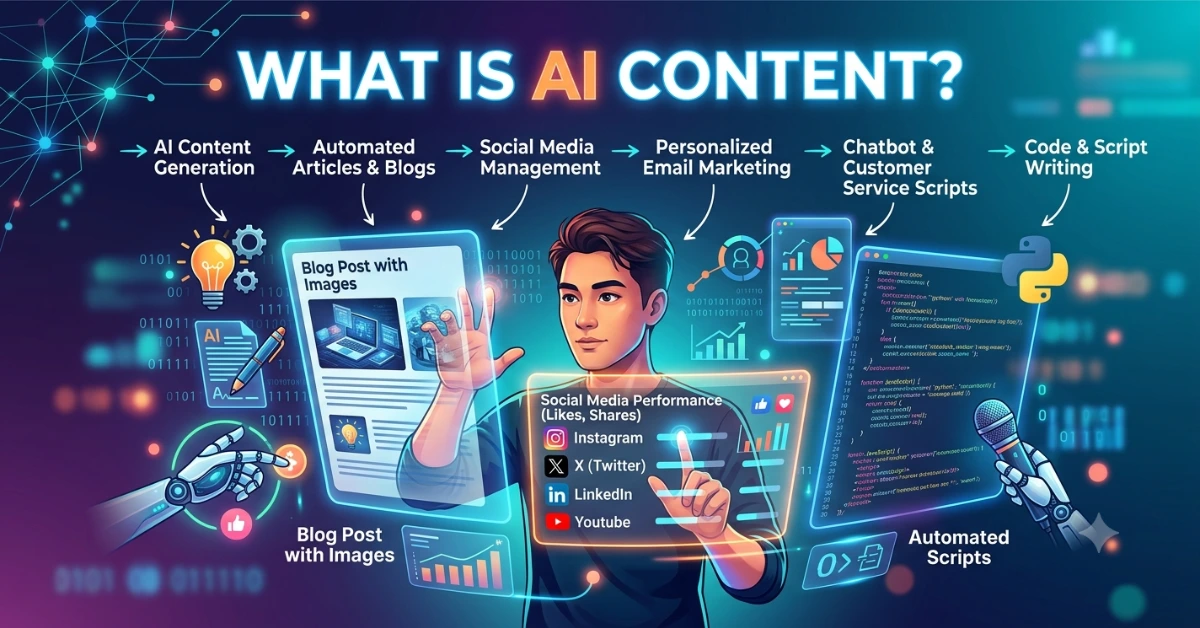
AI content is generated using artificial intelligence tools that analyze data and produce text, images, videos, and marketing materials.
Strengths of AI Content
1. Speed and Efficiency
AI can generate content in minutes.
2. Scalability
Businesses can produce large amounts of content consistently.
3. Data Optimization
AI identifies trends, keywords, and user behavior quickly.
4. Cost Effectiveness
AI helps reduce production time and operational costs.
Limitations of AI Content
- Limited emotional depth
- May sound repetitive
- Can miss brand nuance and audience context
- Requires human review for quality and originality
The Winning Strategy in 2026: Human + AI Collaboration
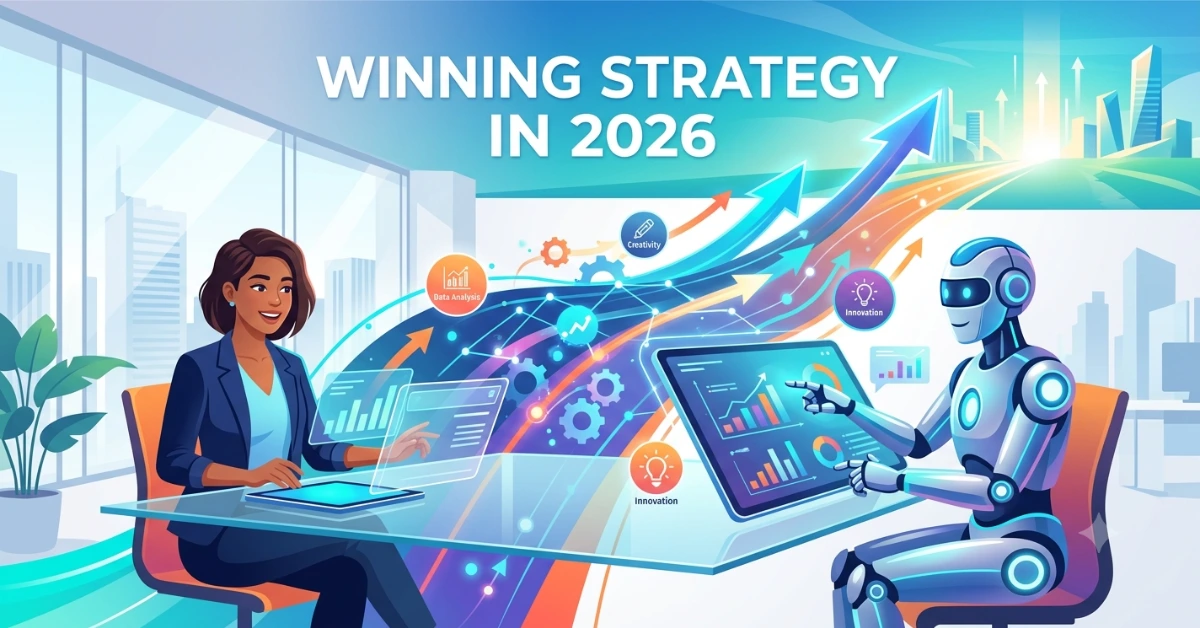
The most successful brands in 2026 are not replacing humans—they are combining human expertise with AI efficiency.
A smart workflow looks like this:
AI handles:
- Research
- Topic ideas
- Draft creation
- SEO optimization
- Content scheduling
Humans handle:
- Strategy
- Editing
- Storytelling
- Brand messaging
- Final approval
This approach creates content that is both scalable and meaningful.
Best Practices for Content Marketing Success in 2026
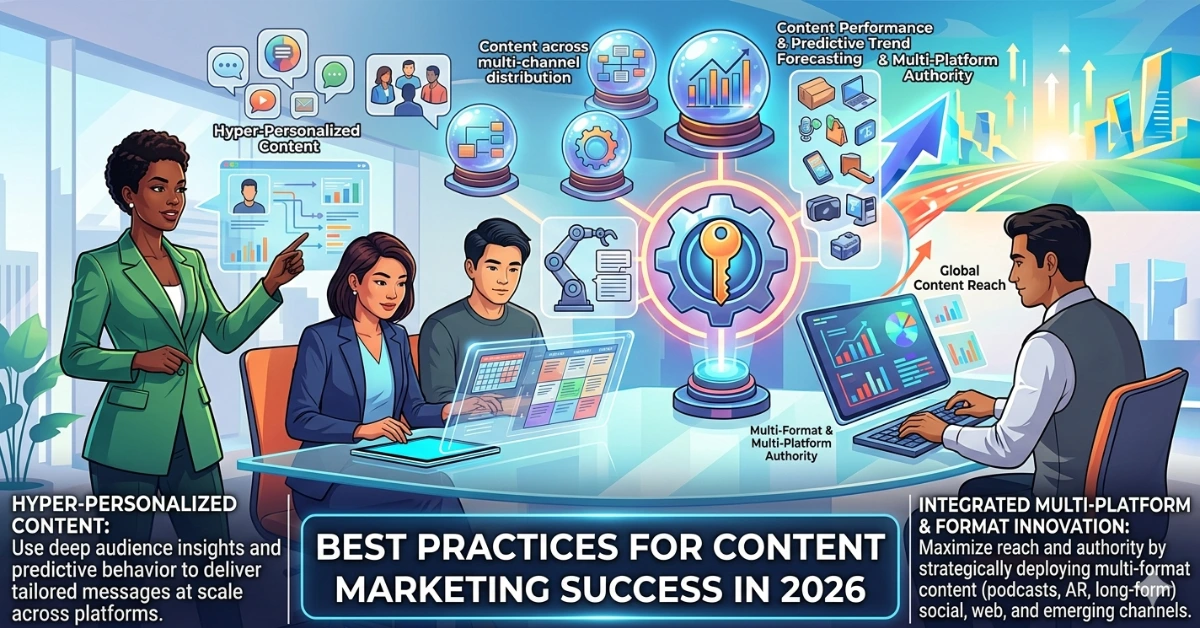
- Prioritize content quality over quantity
- Use AI as an assistant, not a replacement
- Focus on audience intent and engagement
- Maintain a consistent brand voice
- Combine SEO with storytelling
- Regularly update content for accuracy
Conclusion
Content marketing in 2026 is no longer a battle between Human Content and AI Content. Instead, it is about creating a balanced strategy where technology improves efficiency while humans provide creativity, trust, and emotional impact.
Brands that combine AI-powered workflows with human expertise will create stronger connections, better engagement, and sustainable growth.
The future of content marketing belongs to businesses that understand one simple idea: AI creates faster, humans create meaning—and together they create results.