How Amazon’s New AI Shopping Tools for Retailers Could Transform Online Shopping?
The retail industry is entering a new era driven by artificial intelligence (AI), and Amazon is once again at the center of this transformation. Known for revolutionizing e-commerce through innovation, Amazon is now expanding its AI-powered shopping tools beyond its own marketplace and making them available to retailers. This strategic move has the potential to reshape how businesses sell products online and how consumers discover, evaluate, and purchase items.
As AI becomes increasingly integrated into everyday shopping experiences, retailers are looking for ways to provide faster, smarter, and more personalized services. Amazon’s AI tools promise to help businesses achieve these goals while enhancing customer satisfaction and increasing sales. But what does this development really mean for online shoppers?
In this article, we’ll explore Amazon’s AI shopping tools, how they work, their benefits for retailers, and the ways they could transform the future of online shopping
Table of Contents
ToggleTable of Contents
The Growin g Role of AI in E-Commerce

Before diving into Amazon’s latest innovations, it’s important to understand why AI has become such a critical component of modern e-commerce.
Online shoppers today face an overwhelming number of choices. Whether buying electronics, clothing, furniture, or groceries, consumers often spend significant time researching products, comparing features, reading reviews, and making decisions.
Artificial intelligence helps solve this problem by:
- Personalizing shopping experiences
- Recommending relevant products
- Improving search results
- Predicting customer preferences
- Enhancing inventory management
- Automating customer service
According to industry reports, consumers increasingly expect personalized experiences when shopping online. Retailers that fail to deliver relevant recommendations and seamless interactions risk losing customers to competitors.
Amazon’s new AI tools are designed to address these expectations while helping retailers operate more efficiently.
What Are Amazon's New AI Shopping Tools?

Amazon’s latest AI shopping tools leverage advanced machine learning and generative AI technologies to support retailers in several key areas.
These tools focus on:
Intelligent Product Discovery
One of the biggest challenges in online shopping is helping customers find exactly what they need.
Traditional search relies on keywords, but AI-powered discovery allows shoppers to describe products in natural language. Instead of searching for “running shoes,” customers might type:
“I need lightweight running shoes for marathon training with strong arch support.”
AI can understand intent, preferences, and context to deliver more relevant product recommendations.
Conversational Shopping Assistants
Amazon’s AI systems are making online shopping more interactive through conversational experiences.
Rather than scrolling through hundreds of product listings, shoppers can ask questions such as:
- Which laptop is best for video editing?
- What's the difference between these two smartphones?
- Which coffee machine fits a small kitchen?
The AI assistant can provide personalized guidance, helping customers make informed purchasing decisions more quickly.
AI-Generated Product Content
Retailers often manage thousands of products, making it difficult to create detailed product descriptions for every item.
Amazon’s AI tools can automatically generate:
- Product titles
- Descriptions
- Feature highlights
- Marketing copy
- Product summaries
This helps sellers save time while maintaining consistency across large product catalogs.
Personalized Recommendations
Amazon has long been known for its recommendation engine, but new AI capabilities significantly enhance personalization.
The system can analyze:
- Purchase history
- Browsing behavior
- Product preferences
- Seasonal interests
- Customer demographics
As a result, shoppers receive highly tailored recommendations that match their specific needs and interests.
How These Tools Could Change the Customer Experience

The introduction of advanced AI shopping tools has the potential to transform nearly every stage of the customer journey.
Faster Product Discovery
One of the most significant improvements is reducing the time customers spend searching for products.
Traditional online shopping often involves:
- Multiple searches
- Comparison websites
- Extensive review reading
Personalized Shopping Experiences Like Never Before
One of the most significant impacts of Amazon’s AI tools is hyper-personalization.
Traditional recommendation engines rely on browsing history and purchase patterns. However, Amazon’s newer AI systems can analyze a wider range of customer behaviors, preferences, and contextual signals to deliver more accurate recommendations.
Benefits for Shoppers
Customers can expect:
- More relevant product suggestions
- Faster product discovery
- Reduced search time
- Tailored shopping experiences based on individual needs
For example, instead of showing generic product recommendations, AI can understand specific customer interests and recommend products that align closely with their lifestyle and preferences.
AI-Powered Product Content Generation

Creating high-quality product listings can be time-consuming, especially for businesses with large inventories.
Amazon’s AI tools can automatically generate:
- Product titles
- Descriptions
- Bullet points
- Feature highlights
- SEO-friendly content
This allows retailers to launch products faster while maintaining consistency and quality across their catalogs.
Why It Matters
Better product content leads to:
- Improved search visibility
- Better customer understanding
- Reduced content creation costs
- Higher conversion rates
Small and medium-sized businesses, in particular, can benefit significantly from this automation.
Smarter Product Search and Discovery
Search remains one of the most critical aspects of online shopping.
Amazon’s AI enhancements help customers find products through conversational and natural-language searches rather than relying solely on keyword
Enhanced Customer Support Through AI Assistants
AI-powered shopping assistants can:
- Recommend alternatives
- Answer product questions instantly
- Provide order updates
- Resolve common issues
- Guide shoppers through the buying process
For retailers, this means:
- Lower support costs
- Faster response times
- Improved customer satisfaction
- Increased scalability
Better Inventory and Demand Forecasting
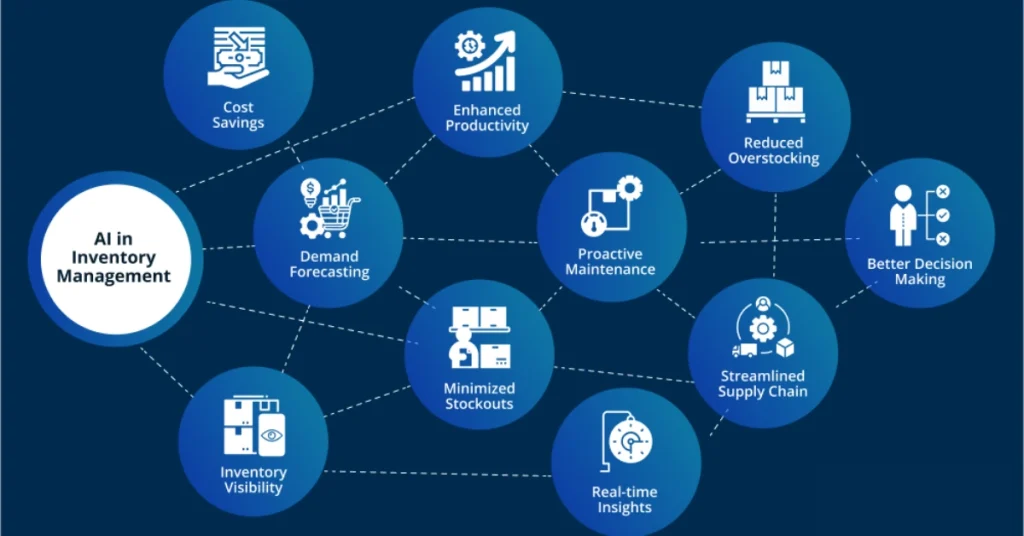
Behind the scenes, Amazon’s AI tools can help retailers manage inventory more effectively.
Using predictive analytics, AI can:
- Forecast future demand
- Identify purchasing trends
- Identify purchasing trends
- Reduce overstock situations
- Prevent stock shortages
- Improve supply chain efficiency
Retailers can make data-driven decisions that reduce costs while ensuring products remain available when customers need them.
Conclusion

Amazon’s latest AI shopping tools have the potential to transform online retail by making shopping more personalized, intuitive, and efficient. From AI-generated product content and smarter search capabilities to predictive inventory management and intelligent customer support, these innovations offer significant benefits for both retailers and consumers.
As AI continues to evolve, the online shopping experience will become increasingly tailored to individual customers, creating new opportunities for businesses to grow and thrive in an increasingly competitive digital marketplace
Retailers that leverage these AI-powered solutions today may be better positioned to meet the expectations of tomorrow’s shoppers and stay ahead in the rapidly evolving world of eCommerce