How to Create High-Converting PPC Campaigns
Table of Contents
ToggleIntroduction
Pay-Per-Click (PPC) advertising remains one of the most effective digital marketing strategies for businesses looking to generate leads, increase sales, and drive targeted traffic to their websites. Unlike organic marketing methods that can take months to show results, PPC campaigns provide immediate visibility and measurable outcomes.
However, simply launching ads is not enough. Many businesses spend significant budgets on PPC campaigns without achieving their desired results. The key to success lies in creating high-converting PPC campaigns that attract the right audience, deliver compelling messages, and encourage users to take action.
What Is a PPC Campaign?
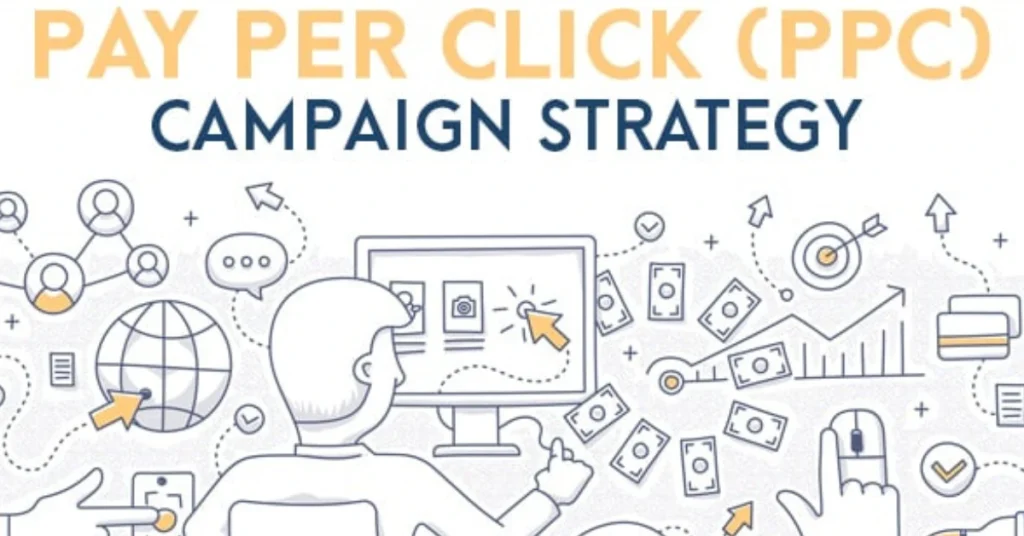
PPC, or Pay-Per-Click advertising, is a digital marketing model where advertisers pay a fee each time someone clicks on their ad. These ads can appear on search engines, social media platforms, websites, and mobile applications.
Popular PPC platforms include:
- Google Ads
- Microsoft Ads
- Facebook Ads
- Instagram Ads
- LinkedIn Ads
- YouTube Ads
The primary goal of PPC advertising is to drive qualified traffic that converts into leads, customers, or sales.
Why High-Converting PPC Campaigns Matter
A successful PPC campaign is not measured solely by clicks. The real measure of success is conversions.
Benefits of high-converting PPC campaigns include:
Increased sales and revenue
Higher lead generation
Better ROI
Improved brand visibility
More efficient advertising spend
Faster business growth
When campaigns are properly optimized, businesses can achieve better results while spending less money.
Step 1: Define Clear Campaign Goals
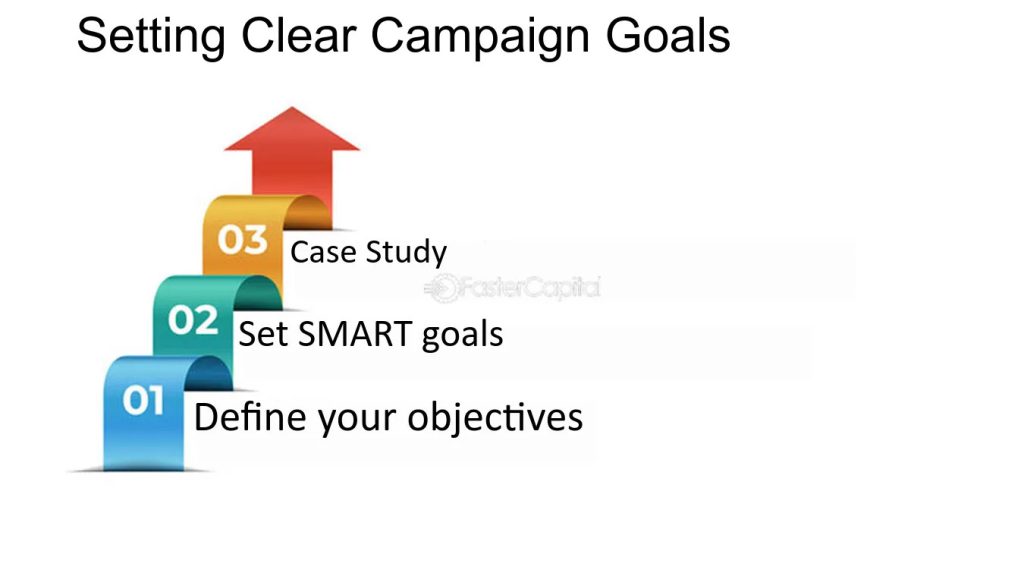
Before creating any PPC campaign, establish clear objectives.
Ask yourself:
Do you want more website traffic?
Are you generating leads?
Do you want online sales?
Are you promoting a new service?
Do you want to increase brand awareness?
Your campaign structure, keywords, ad copy, and landing pages should all align with your primary goal.
Examples:
Lead Generation Campaign
E-commerce Sales Campaign
Local Business Promotion Campaign
Brand Awareness Campaign
Step 2: Conduct Thorough Keyword Research

Keyword research forms the foundation of every successful PPC campaign.
Choose keywords that match user intent and relate directly to your products or services.Focus on:
Commercial Keywords
These indicate buying intent.
Examples:
- Best SEO agency
- Buy running shoes online
- PPC management services
Long-Tail Keywords
Long-tail keywords often have:
- Lower competition
- Lower CPC
- Higher conversion rates
Example:
Instead of:
“Digital Marketing”
Use:
“Affordable digital marketing services for small businesses”
Negative Keywords
Negative keywords prevent ads from showing for irrelevant searches.
Examples:
- Free
- Jobs
- Courses
- Tutorials
Using negative keywords reduces wasted ad spend and improves campaign performance.
Step 3: Understand Your Target Audience
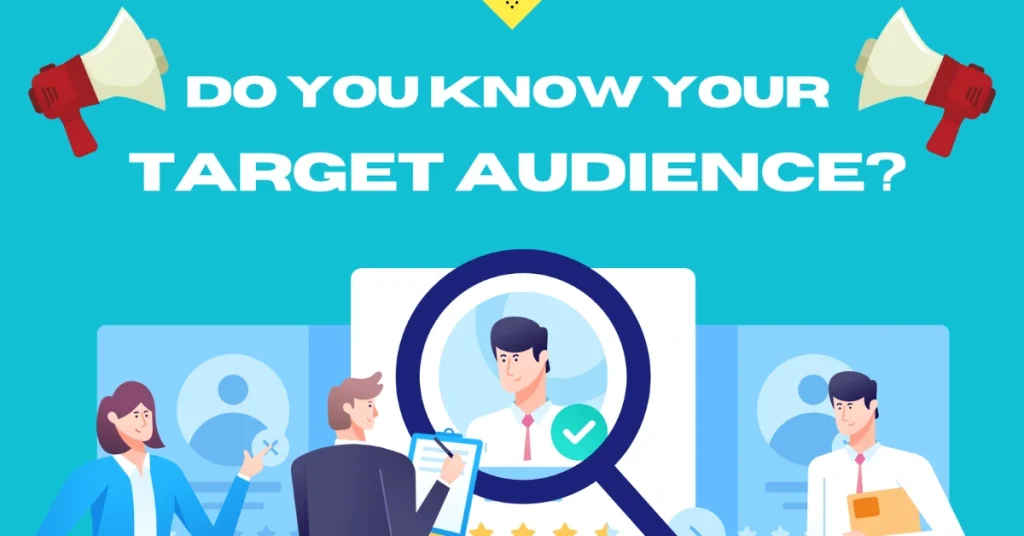
Without tracking, it is impossible to determine campaign effectiveness.
Track actions such as:
- Form submissions
- Phone calls
- Purchases
- Newsletter signups
- Downloads
Conversion tracking provides valuable insights into what is working and what needs improvement.
Businesses that use conversion tracking make smarter marketing decisions.
Step 4: Write Compelling Ad Copy
Your ad copy determines whether users click or ignore your advertisement.
A strong PPC ad should include:
Attention-Grabbing Headlines
Examples:
Increase Your Website Traffic Today
Professional SEO Services That Deliver Results
Get a Free PPC Audit
Clear Benefits
Examples:
Certified Experts
Affordable Pricing
Proven Results
24/7 Support
Strong Call-to-Action (CTA)
Examples:
Get Started Today
Request a Free Consultation
Claim Your Discount
Book a Demo
The more persuasive your copy, the better your click-through and conversion rates.
Step 5: Create Optimized Landing Pages
Sending users to your homepage is rarely effective.
Instead, create dedicated landing pages for each PPC campaign.
A high-converting landing page should include:
Clear Headline
Visitors should immediately understand your offer.
Compelling Value Proposition
Explain why customers should choose your business.
Trust Signals
Include:
- Customer testimonials
- Reviews
- Certifications
- Awards
- Case studies
Strong CTA
Examples:
- Submit Form
- Schedule Consultation
- Buy Now
- Request Quote
Mobile Optimization
Since most users browse on smartphones, your landing page must be mobile-friendly.
Step 6: Improve Quality Score
For Google Ads users, Quality Score plays a critical role.
Quality Score is influenced by:
Keyword relevance
Ad relevance
Landing page experience
Click-through rate
Higher Quality Scores often result in:
Lower CPC
Better ad positions
Increased conversions
Improving Quality Score allows businesses to compete more effectively while reducing advertising costs.
Step 7: Use Ad Extensions
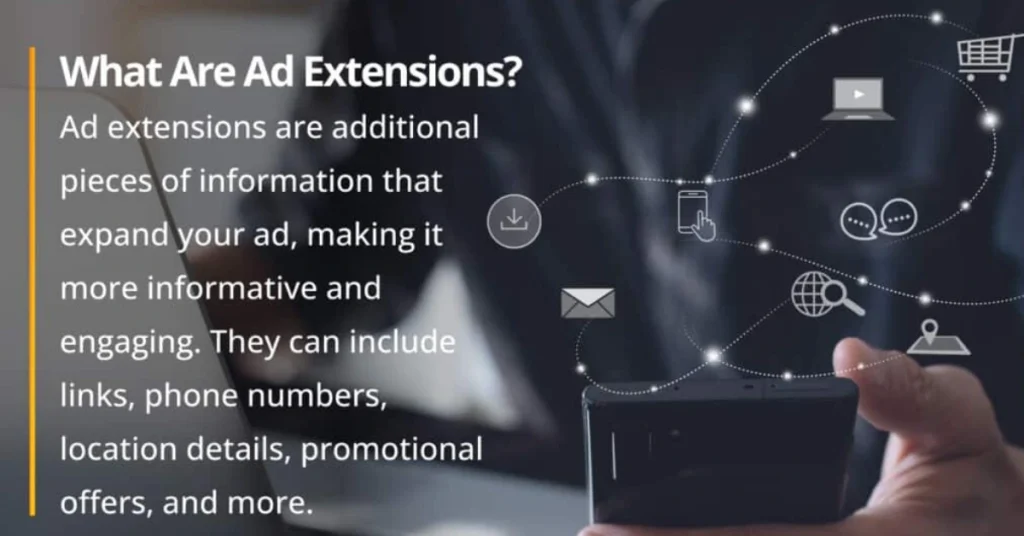
Ad extensions make advertisements more informative and increase visibility.
Popular ad extensions include:
Sitelink Extensions
Direct users to specific pages.
Call Extensions
Allow users to call directly from ads.
Location Extensions
Show business locations.
Structured Snippets
Highlight services and offerings.
Ad extensions improve click-through rates and provide more information to potential customers.
Step 8: Implement Conversion Tracking